

Ghana’s Primary education system is currently being stifled of financial resources following a shift in political attention and public resources from kindergarten and primary structures to the secondary level, according to a report published by the Overseas Development Institute (ODI) in collaboration with the University of Ghana Business School.
Titled, ‘Leaving no One Behind in the Health and Education sectors,’ the Report states, “While Ghana continues to maintain impressive overall public education expenditure surpassing the international benchmark of 20 percent of the budget, it is increasingly shifting this towards secondary and tertiary sectors.”
It also revealed that, funding per pupil at primary and kindergarten levels has diminished, while secondary school funding has risen rapidly, adding that in 2015, Senior High School pupils were funded at six times the level of primary pupils.
More Read
It bemoaned, “There is a quite crisis in the quality of public pre-primary and primary education, the two most critical stages for improving equity.”
Again, it found a clear public –private crossroads, whereby families with means to do so send their children to private schools for their basic education and then shift to the better- quality high school systems, stymieing political impetus for reform at lower levels.
The report which was put together by the Overseas Development Institute (ODI) in collaboration with the University of Ghana Business School recommended that the Ministry of Education must commit to protect front line pre-primary funding per pupil and then develop a plan with clear milestones for how these levels will be gradually increased over time in order to meet minimum quality standards in every district.
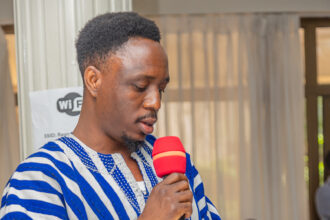
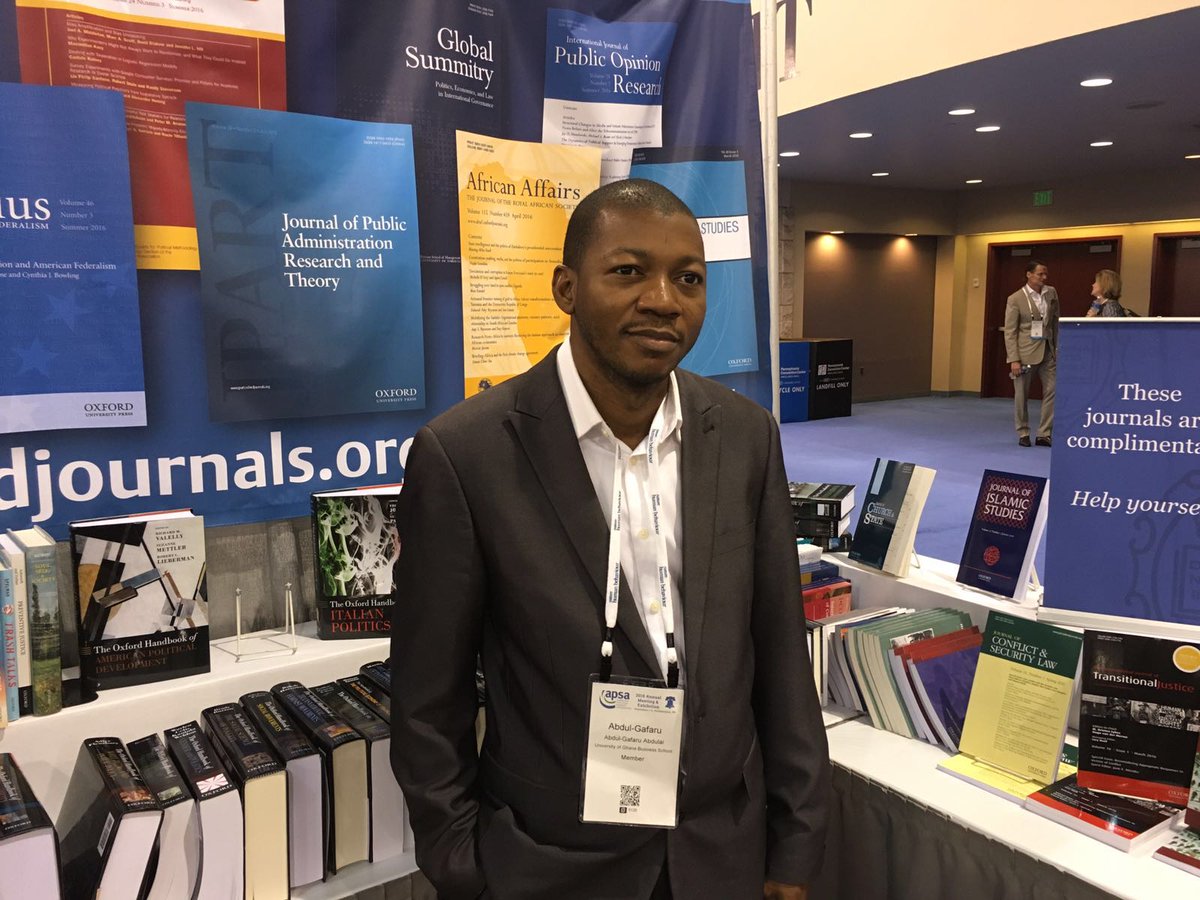
Presenting the Report in Accra on Thursday, Dr Abdul-Gafaru-Abdulai, a senior Lecturer at the University of Ghana said Ghana should make a high- profile commitment to progressive universalism in education. He explain that progressive universalism in education promote balancing scarce public resources in order to prioritise the poor and early years, where social returns are highest.
This, he said, would entail careful phasing in of the commitment to free senior high school. According to him, the policy could be rolled out in deprived districts first,or implemented using means testing such that wealthier households continue to pay some portion of the fees which would presumably still remain and attractive option, given the perception of status and quality afforded to public secondary schools.
Dr Abdulai posited, “ personally I feel that the free Senior High School education will essentially bridge some inequality gaps because you have tens of thousands of people who don’t go to secondary school because they are unable to pay school fees, but this doesn’t mean that the free SHS is going to solve all our problems.”
He added, “In fact it could also have a lot of implication for issues of inequality and issues of quality education. Why do I say this, if you take into accounts the way the programme is being implemented, it is a universal programme.It is not actually targeting the most marginalized and the neediest in society. If the free SHS was targeted, some state resources would have been channeled to support the basic level or even outside the education sector.”
He indicated that evidence show that early years is the most important stage for improving equity, thus, civil society and others with interest in equity issues could play a valuable role in igniting a debate and building political pressure for a greater policy focus on the state of pre- primary and primary education in Ghana.
Participants at the workshop agreed that progress in primary education in the country is fragile, hence, for the purpose of the building blocks, there is the need to start from the basics and government must ensure that enough financial resources are channeled to that level.
By Mohammed Suleman