


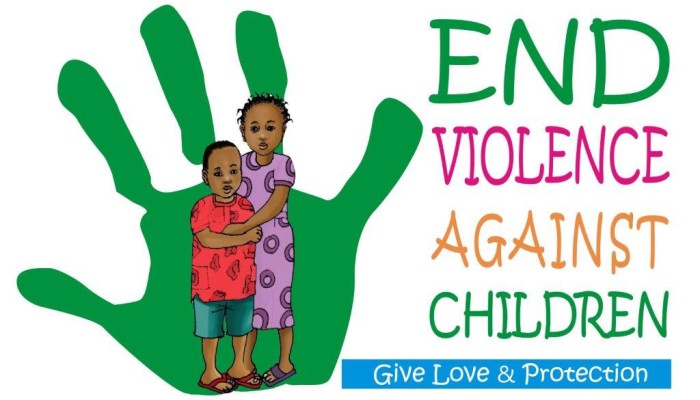
About 300 million, or three-quarters, of the world’s two- to four-year-old children experience either psychological aggression or physical punishment, or both, by their caregivers at home, the United Nations Children’s Fund (UNICEF) said in a report published Tuesday.
“The harm inflicted on children around the world does tremendous damage,” said UNICEF Chief of Child Protection Cornelius Williams in a press release on the report, titled A Familiar Face: Violence in the lives of children and adolescents.
“Babies slapped in the face; girls and boys forced into sexual acts; adolescents murdered in their communities – violence against children knows no boundaries,” he added.
More Read

The report uses the latest data to show that children experience violence across all stages of childhood and in all settings.
About 60 per cent of one-year-olds in 30 countries with available data are regularly subjected to violent discipline. Nearly a quarter of one-year-olds are physically shaken as punishment and nearly one in 10 are hit or slapped on the face, head or ears.
Worldwide, 176 million, or one in four, children under age five are living with a mother who is a victim of intimate partner violence.
The report also finds that around 15 million adolescent girls aged 15 to 19 worldwide have experienced forced sexual intercourse or other forced sexual acts in their lifetime. Only one per cent of adolescent girls who had experienced sexual violence said they reached out for professional help.
In the 28 countries with data, 90 per cent of adolescent girls who had experienced forced sex, on average, said the perpetrator of the first incident was known to them.
Data from six countries reveals friends, classmates and partners were among the most frequently cited perpetrators of sexual violence against adolescent boys.
Globally, every seven minutes, an adolescent is killed by an act of violence. In the United States, adolescent boys from African American or black non-Hispanic populations are almost 19 times more likely to be murdered than non-Hispanic white adolescent boys.
Latin America and the Caribbean is the only region where adolescent homicide rates have increased; nearly half of all homicides among adolescents globally occurred in this region in 2015.
The report also says that half the population of school-age children – 732 million – lives in countries where corporal punishment at school is not fully prohibited. Three-quarters of
documented school shootings that have taken place over the past 25 years in non-conflict countries occurred in the United States.
To end violence against children, UNICEF is calling for governments to take urgent action and support such measures as adopting well-coordinated national action plans; changing adult behaviours; limiting access to firearms and other weapons; educating children, parents, teachers, and community members to recognize violence in all its many forms and report it safely; and collecting better disaggregated data to track progress through robust monitoring and evaluation.
–UN News Centre